Ancient Civilizations Period (before the 8th century):
This era is marked by the formation of early social structures and cultural peculiarities in the region.
Kazakh history is a rich chronological narrative covering a long period of time and various stages of the development of the region. Formed as part of ancient civilizations, the territory of modern Kazakhstan has witnessed many historical events, including the conquest of the Mongol Empire, the Zhungar rule, the influence of the Kokand Khanate and the period of the Soviet era.
Get started
Knowledge of history plays a key role in the formation of cultural and national identity, the development of critical thinking, as well as understanding the causes and consequences of events. This is the basis for learning lessons from the past, as well as active participation in modern public life. In general, knowledge of history contributes to a deeper understanding of the world and the formation of civic responsibility.
Learn MoreThis era is marked by the formation of early social structures and cultural peculiarities in the region.
This had a significant impact on the culture and way of life of the region's peoples.
This period was marked by migrations of Kazakh tribes and their struggle for independence.
In the 18th-19th centuries, Russia began exerting active influence on the territory of Kazakhstan.
This period was characterized by industrialization, agricultural collectivization, and the formation of Soviet culture.
The present period is marked by a desire for modernization, cultural diversity, and the development of a multiethnic society.

This course is designed to prepare for the UNT, providing students with the necessary knowledge and understanding to successfully pass the exam on the history of Kazakhstan.
Learn More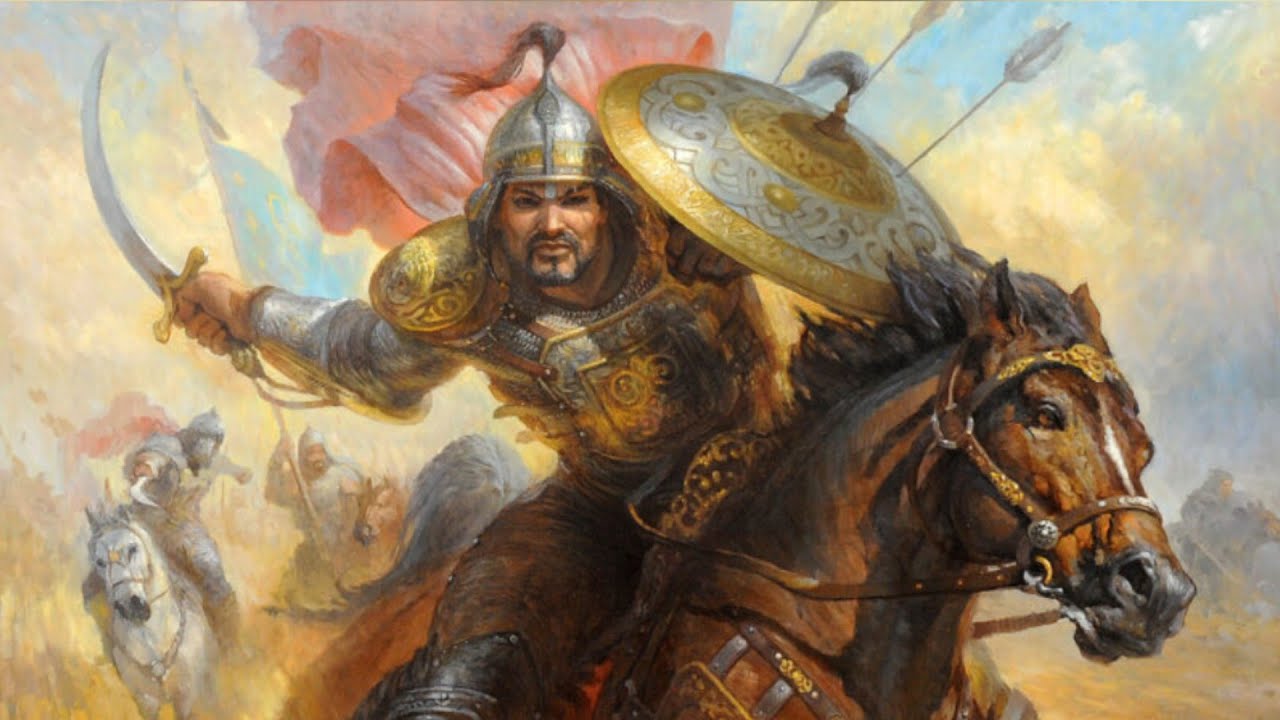
Students will have a unique opportunity to immerse themselves in the centuries-old history of this country, starting with ancient civilizations and ending with the modern period of independence.
Learn More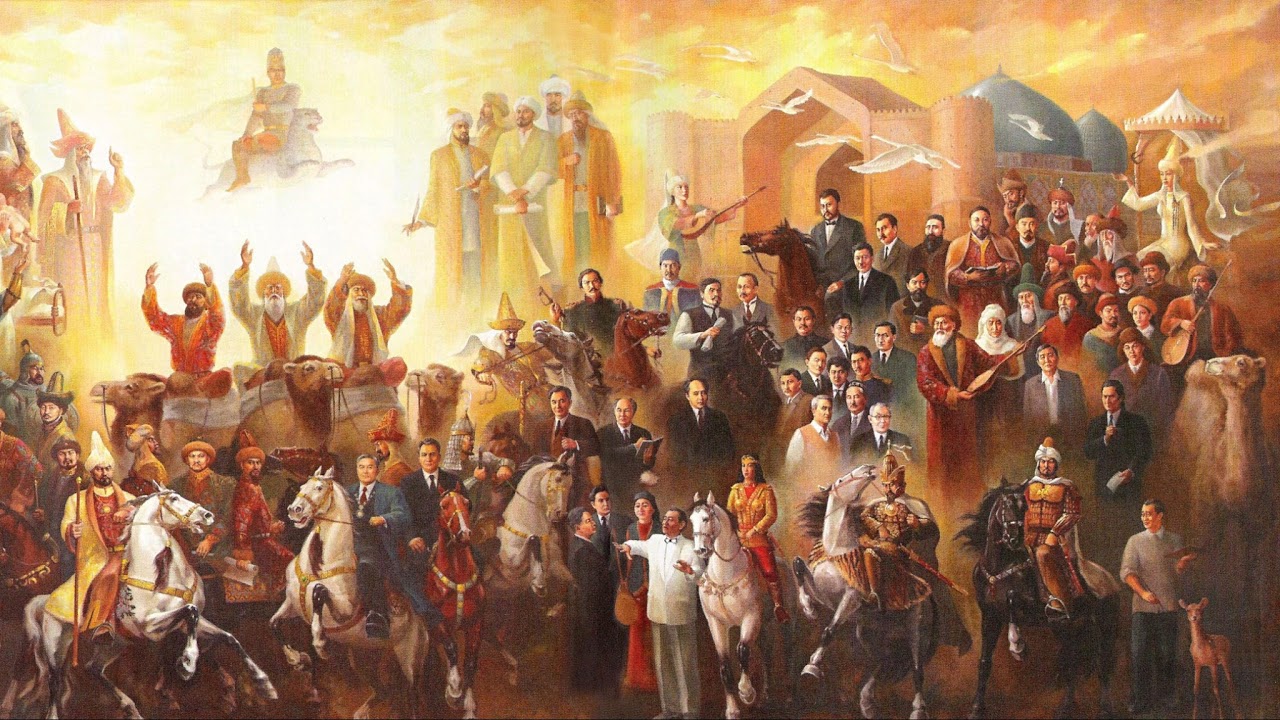
The course includes an overview of the key stages of historical development, the influence of great empires, the formation of Kazakh culture and traditions.
Learn MoreFor those who seek to gain basic knowledge of Kazakh history, it is recommended to choose the course "Fundamentals of Kazakh History". This course will provide an overview of the key stages of the country's development, fundamental events and cultural features. It is suitable for those who want to deepen their knowledge of the history of Kazakhstan with an emphasis on the main aspects and important periods of its development.
For a client who has an interest in preparing for the school Olympiad on the history of Kazakhstan, it is recommended to choose the course "Preparation for the School Olympiad on the History of Kazakhstan". This course will provide students not only with basic knowledge of the history of Kazakhstan, but also prepare them for typical tasks that may occur at the Olympiad. The course will address issues of historical facts, key personalities and major events, focusing on topics often found in Olympiad tasks.
For a client interested in preparing for the UNT and wishing to study the history of Kazakhstan in depth, it is recommended to choose the course "Kazakh history: from antiquity to modernity". This course provides extensive research on key periods and events in the country's history, which is the basis for successful exam preparation. The course includes an overview of the most important facts, personalities and cultural characteristics, providing students with the necessary knowledge to effectively pass the UNT on Kazakh history.
Review the content of each course to make sure it meets your needs and interests. Consider the level of complexity, the format of training (webinars, lectures, assignments) to understand how the course meets your preferences and level of training.
The history of Kazakhstan is full of fascinating and important events that are worth studying for a full understanding of the development of this country. Below are some key points:
Mongol Empire Conquest (13th Century): Under the leadership of Genghis Khan, the territory of Kazakhstan became part of the vast Mongol Empire, significantly influencing the culture and way of life of the region.
Struggle Against the Jungars (17th-18th Centuries): During this time, Kazakh khanates fought for independence from Jungaria, leading to the establishment of the Kazakh Khanate.
Soviet Industrialization Era (20th Century): The Soviet era brought significant changes to Kazakhstan's economy and culture through industrialization and collectivization.
Kazakh history is rich in outstanding personalities whose deeds have had a significant impact on the formation and development of the region. Here are some interesting historical figures:
Abai Qunanbayev (1845–1904): Kazakh poet, philosopher, and educator. His works inspired national awakening and emphasized the importance of education.
Jambyl Jabayev (1846–1945): Poet and freedom fighter. His poetry reflects love for his people and a longing for freedom.
Dinmukhamed Kunaev (1912–1993): Politician and statesman, the first Secretary of the Central Committee of the Communist Party of Kazakhstan. Played a key role in stabilizing the country after World War II.
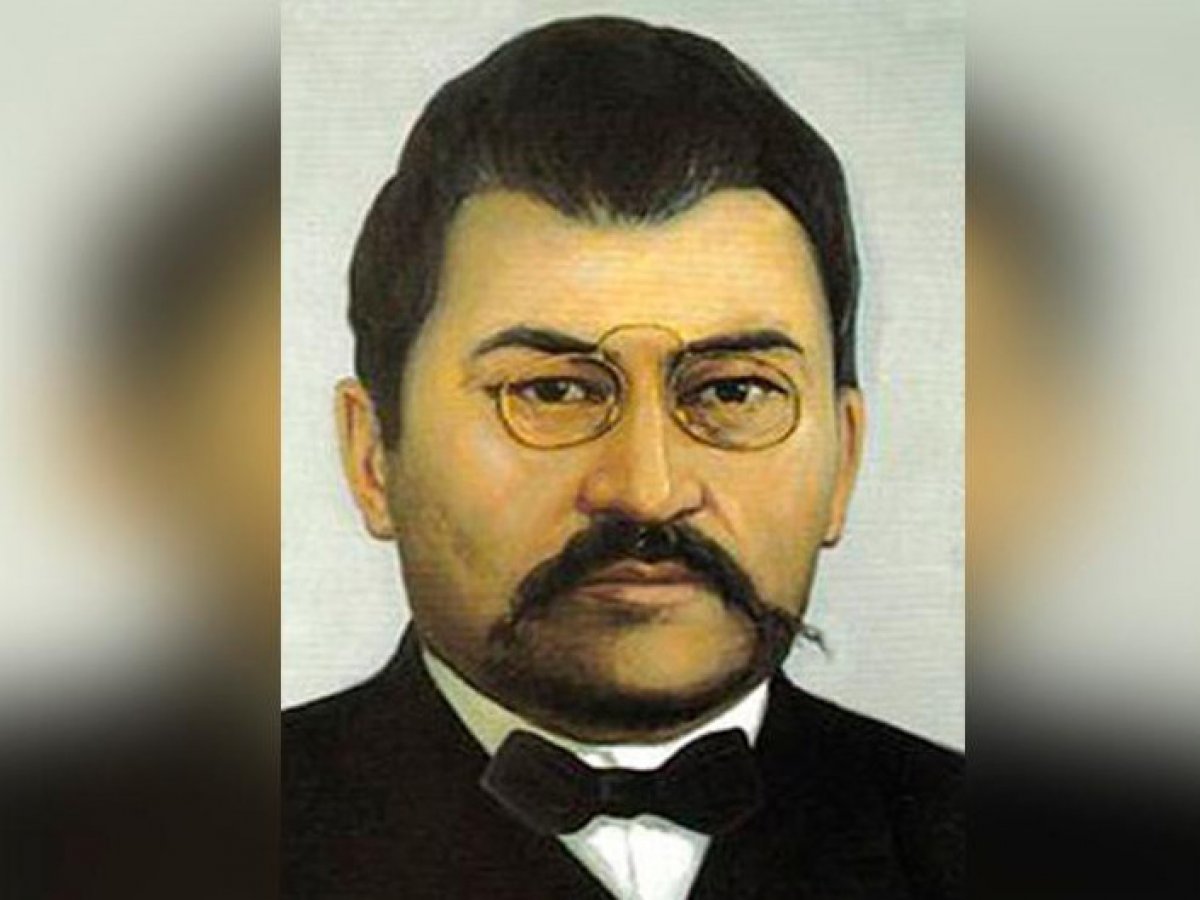
The most powerful of what causes both the preservation and loss of a nation is its language. The people whose words are lost will also disappear.
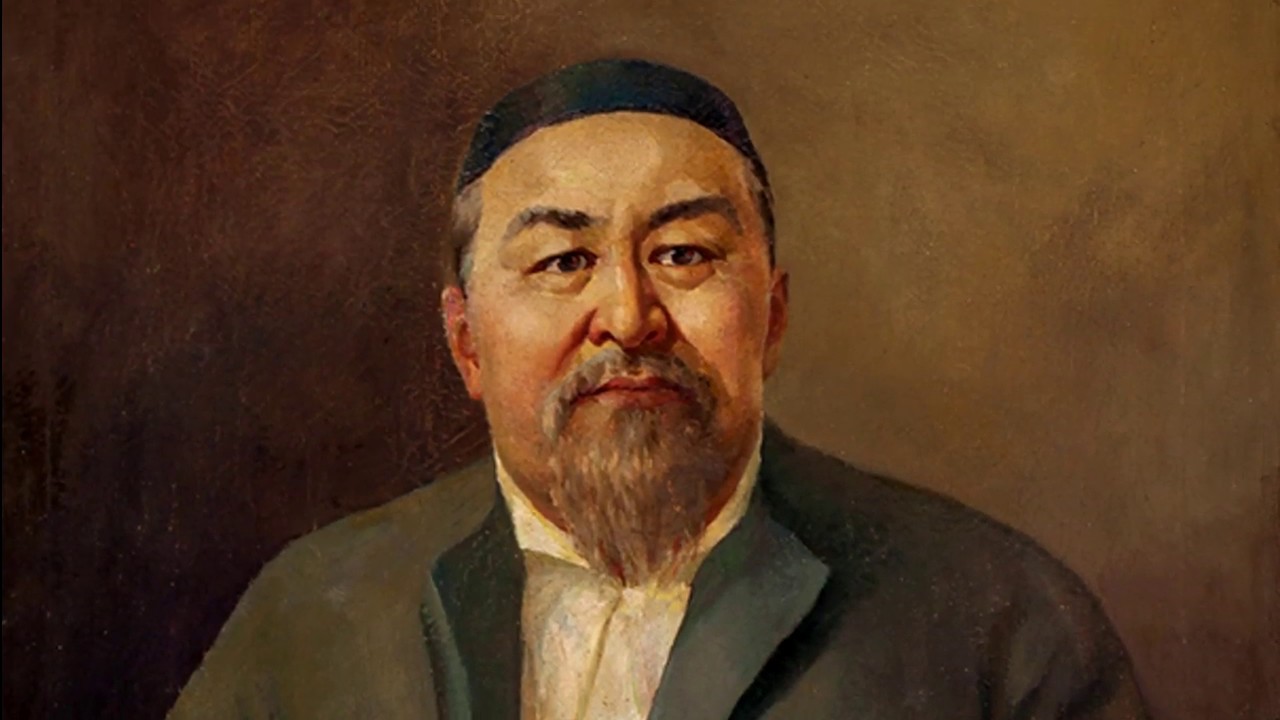
Laugh enthusiastically, sincerely rejoicing when you see a person who has found good, who has done good deeds worthy of imitation. A good example teaches restraint, will stop in time, will not allow intoxication.
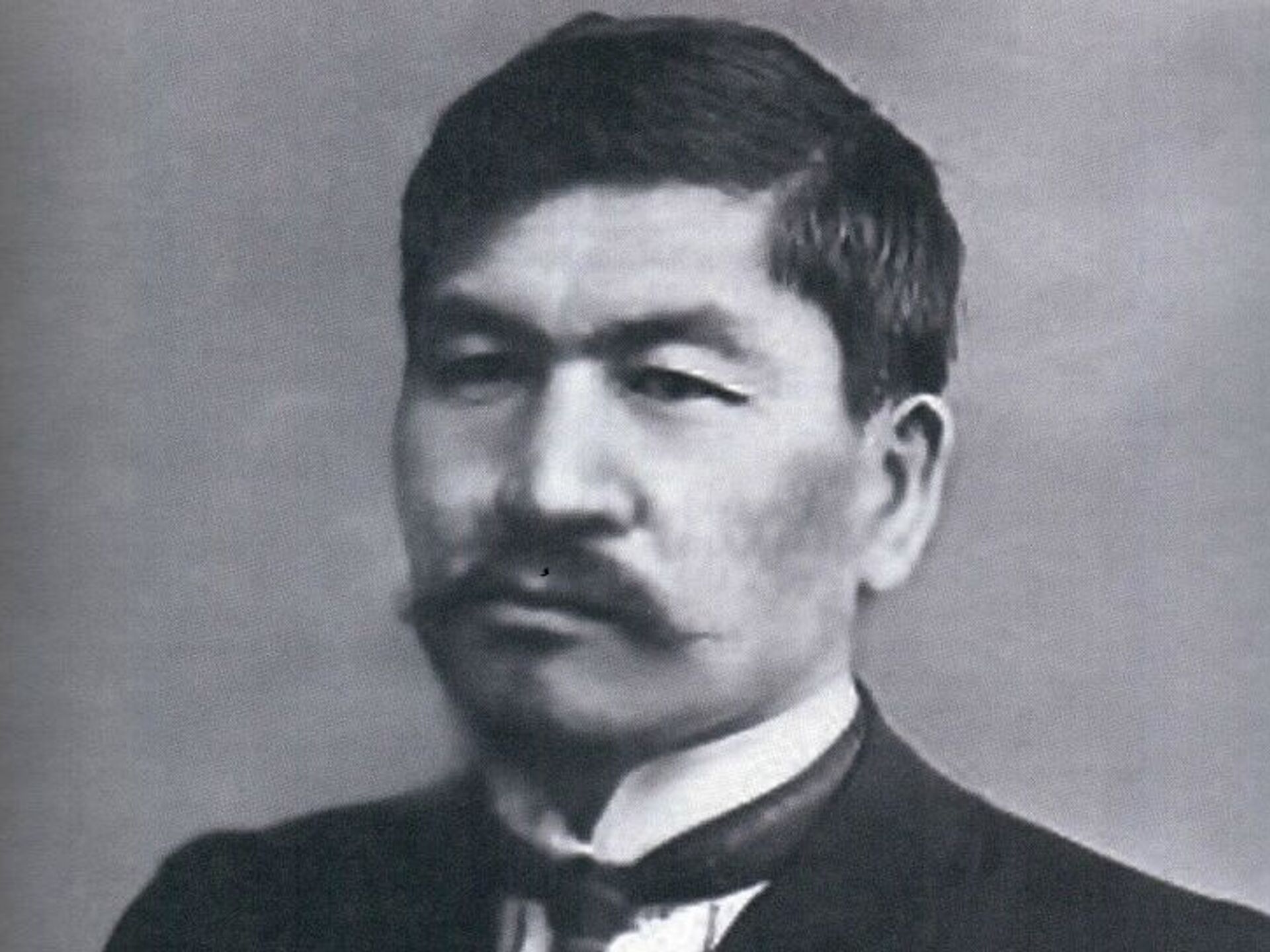
To wish evil to others is to do to yourself. Because we and others make up what is called humanity. What reigns over nature by virtue of its mind, and without which we have no life.
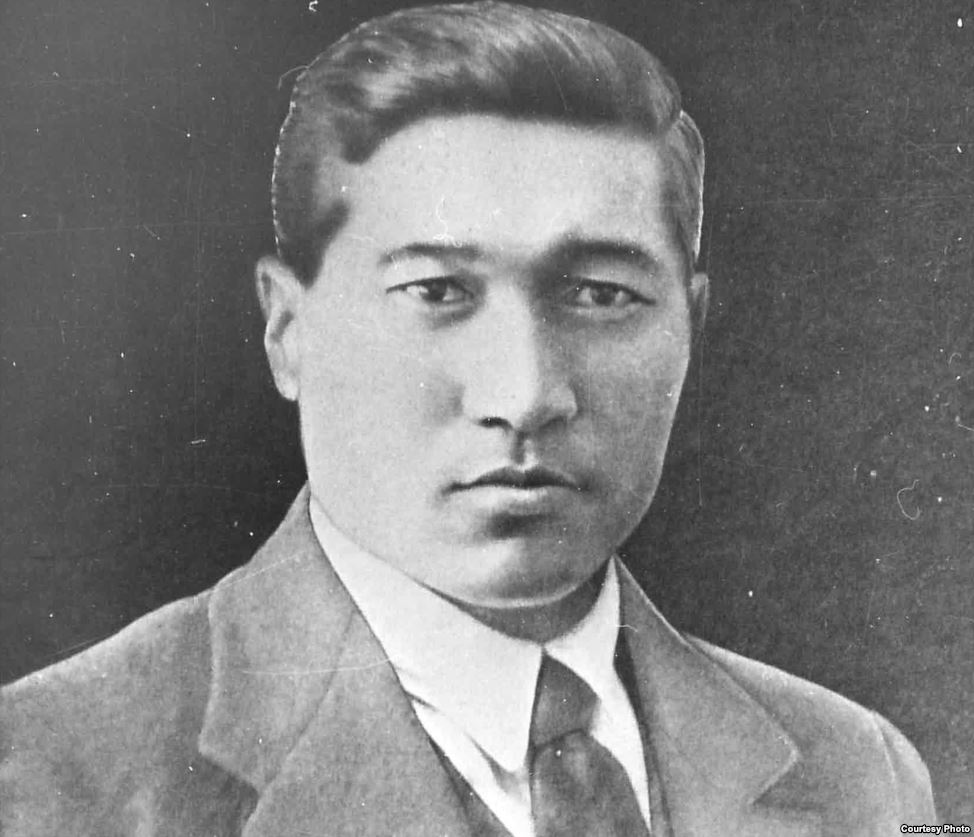
People who have lost their history, a country that has forgotten its history — do not know where to go, where to live, what to do or what to do, and do not know what day to start in the future.
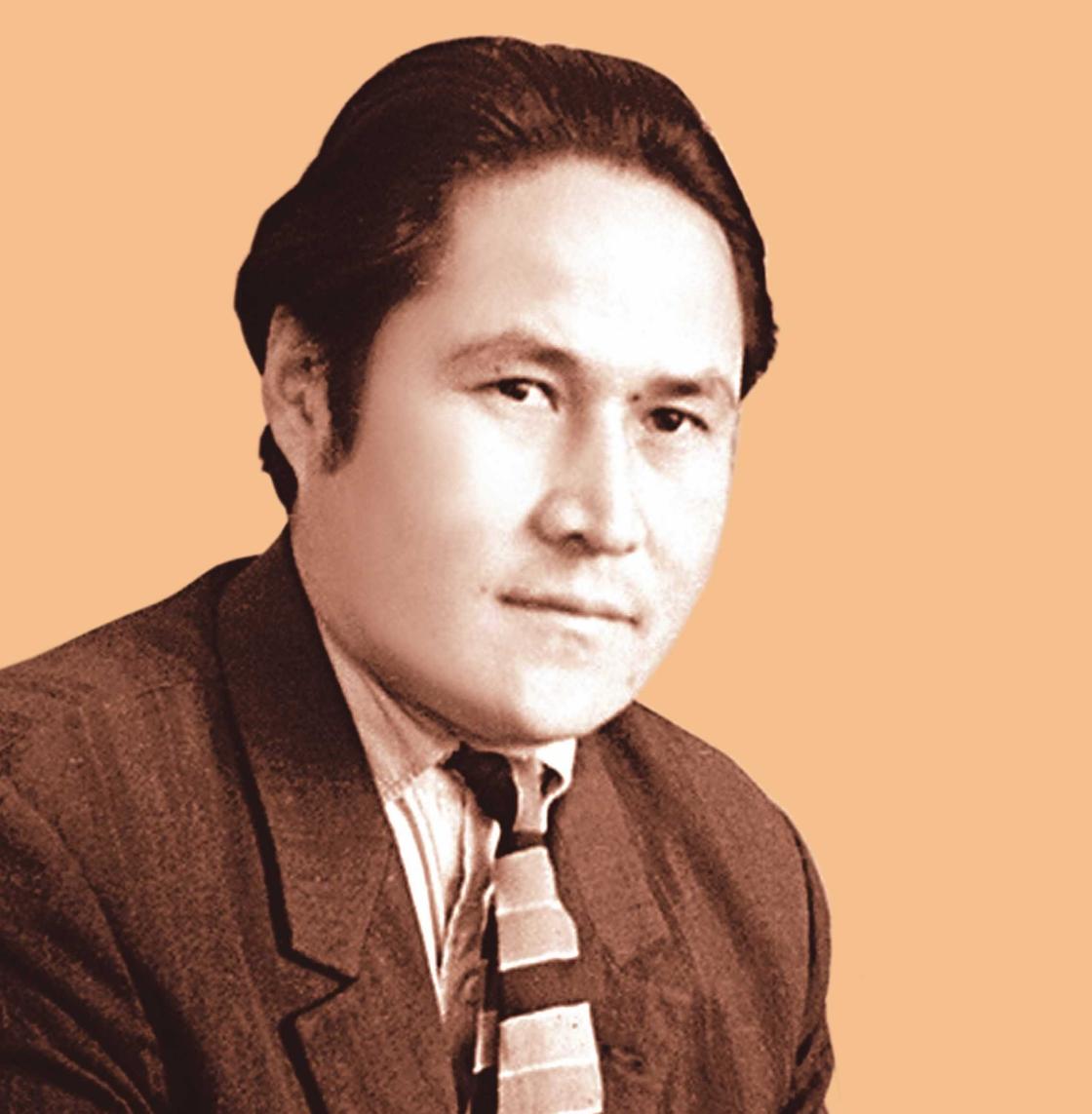
Stupid is not the one who, without having a drop of talent, is equal to gifted writers — stupid is the one who, measuring his creativity with one day and loud-voiced patriotism, wants to stay in literature.